
Spanish Johnny 歌詞 日本語訳
エミルー・ハリス - スペインのジョニー
Emmylou Harris - Spanish Johnny の歌詞と日本語訳。オリジナル lyrics、日本語翻訳、曲の意味、ほかの言語の翻訳を読めます。
日本語訳 - 原文の歌詞を見る
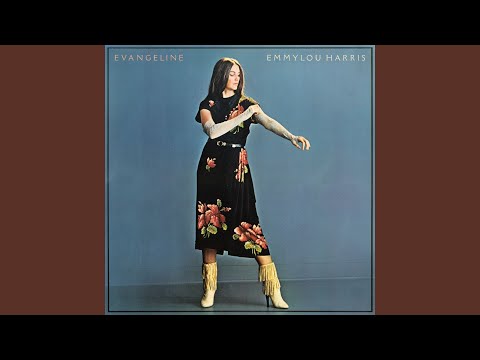
Emmylou Harris Spanish Johnny written by Paul Siebel
エミルー・ハリス スパニッシュ・ジョニー ポール・シーベル著
http://www.nashville.net/~kate/
http://www.nashville.net/~kate/
Ricky Skaggs Mandolin
リッキー・スカッグスのマンドリン
Rodney Crowell Guitar
ロドニー・クロウェルのギター
Emmylou Harris Guitar, Vocals
エミルー・ハリス ギター、ボーカル
Waylon Jennings Vocals
ウェイロン・ジェニングスのボーカル
Mickey Raphael Harmonica
ミッキー・ラファエル・ハーモニカ
Emory Gordy Bass
エモリー・ゴーディ・ベース
Frank Reckard Guitar
フランク・レッカードのギター
John Ware drums
ジョン・ウェアのドラム
Those other years, the dusty years
他の年、埃っぽい年
We drove the big herds through
私たちは大きな群れを追い越しました
I tried to forget the miles we rode
二人で走ったマイルを忘れようとした
And Spanish Johnny too
そしてスペイン人のジョニーも
He'd sit beside a water ditch when all this herd was in
この群れが全員いるとき、彼は用水路の横に座っていた
And he'd never harm a child but sing to his mandolin
そして彼は決して子供を傷つけることはなかったが、マンドリンを歌いながら歌った
The old talk, the old ways, and the dealin' of our game
昔の話、昔のやり方、そして私たちのゲームの扱い
Spanish Johnny never spoke, but sing a song of Spain
スペイン語のジョニーは決して話さなかったが、スペインの歌を歌った
And his talk with men was vicious talk
そして男性との会話は悪質な話だった
When he was drunk on gin
彼がジンに酔ったとき
Ah, but those were golden things he said to his mandolin
ああ、でもそれは彼がマンドリンに向かって言った素晴らしい言葉でした
We had to stand, we tried to judge,
私たちは立たなければならなかった、判断しようとした、
We had to stop him then
そのとき私たちは彼を止めなければなりませんでした
For the hand so gentle to a child had killed so many men
子供にとても優しいその手は多くの人を殺したからだ
He died a hard death long ago before the roads come in
彼は道路が開通するずっと前に辛い死を遂げた
And the night before he swung he sung to his mandolin
そしてスイングする前の夜、彼はマンドリンに合わせて歌いました
Well, we carried him out in the mornin' sun
さて、私たちは彼を朝日の中で運び出しました
A man that done no good
何も良いことをしなかった男
And we lowered him down in the cold clay
そして我々は彼を冷たい粘土の上に降ろした
Stuck in a cross of wood
木の十字架にはまってしまいました
And a letter he wrote to his kinfolk
そして彼が親戚に宛てて書いた手紙
To tell them where he'd been
彼がどこにいたのかを彼らに伝えるため
And we shipped it out to Mexico,
そしてそれをメキシコに発送しました
Along with his mandolin
マンドリンと一緒に
From Emmylou Harris "Evangeline"
エミルー・ハリス「エヴァンジェリン」より
Warner Bros Records
ワーナー ブラザーズ レコード
Two Ten Music(BMI)
ツーテンミュージック(BMI)
Though other performers sold more records and earned greater fame, few
他のパフォーマーはより多くのレコードを販売し、より大きな名声を獲得しましたが、少数のパフォーマーは
left as profound an impact on contemporary music as Emmylou Harris.
エミルー・ハリスと同じくらい現代音楽に深い影響を残した。
Blessed with a crystalline voice, a remarkable gift for phrasing and a
透き通った声、素晴らしいフレージングの才能、そして
restless creative spirit, she travelled a singular artistic path,
休むことのない創造的な精神で、彼女は特異な芸術の道を歩みました。
proudly carrying the torch of "Cosmic American music" passed down by
受け継がれる「コズミック・アメリカン・ミュージック」の灯火を誇らしげに背負って
her mentor, Gram Parsons. With the exception of only Neil Young -- not
彼女の指導者であるグラム・パーソンズ。ニール・ヤングだけを除いては、そうではありません
surprisingly an occasional collaborator -- no other mainstream star
驚くべきことに、時折コラボレーターとなる -- 主流のスターは他にいない
established a similarly large body of work as consistently
同様に大規模な一連の研究を一貫して確立しました
iconoclastic, eclectic or daring; even more than three decades into
偶像破壊的、折衷的、または大胆。 30年以上経っても
her career, Harris' latter-day music remained as heartfelt, visionary
彼女のキャリアを通じて、ハリスの晩年の音楽は心に響く、先見の明のあるものであり続けました
and vital as her earliest recordings.
彼女の初期の録音として極めて重要です。
Harris was born on April 2, 1947 to a military family stationed in
ハリスは 1947 年 4 月 2 日に、アメリカに駐留する軍人の家族に生まれました。
Birmingham, Alabama. After spending much of her childhood in North
アラバマ州バーミンガム。幼少期の多くを北部で過ごした後、
Carolina, she moved to Woodbridge, Virginia while in her teens, and
カロライナ、彼女は10代の頃にバージニア州ウッドブリッジに引っ越しました。
graduated high school there as her class valedictorian. After winning
卒業生総代としてそこで高校を卒業しました。勝った後
a dramatic scholarship at the University of North Carolina, she began
ノースカロライナ大学で劇的な奨学金を得て、彼女は始めました。
to seriously study music, learning to play songs by Bob Dylan and Joan
真剣に音楽を勉強し、ボブ・ディランやジョーンの曲を演奏することを学ぶ
Baez. Soon, Harris was performing in a duo with fellow UNC student
バエズ。間もなく、ハリスはUNCの学生仲間とデュオで演奏するようになった。
Mike Williams, eventually quitting school to move to New York, only to
マイク・ウィリアムズは、最終的には学校を辞めてニューヨークに移りましたが、
find the city's folk music community dying out in the wake of the
この都市の民族音楽コミュニティは、大流行の影響で消滅しつつあるのを発見する
psychedelic era.
サイケデリックな時代。
Still, Harris remained in New York, travelling the Greenwich Village
それでもハリスはニューヨークに残り、グリニッジ・ヴィレッジを旅した
club circuit before becoming a regular at Gerdes Folk City, where she
ゲルデス・フォーク・シティの常連になる前は、クラブ・サーキットに所属していた。
struck up friendships with fellow folkies Jerry Jeff Walker, David
フォーキー仲間のジェリー・ジェフ・ウォーカー、デヴィッドと友情を育む
Bromberg and Paul Siebel. After marrying songwriter Tom Slocum in
ブロンバーグとポール・シーベル。ソングライターのトム・スローカムと結婚後、
1969, she recorded her debut LP, 1970's Gliding Bird. Shortly after
1969年、彼女はデビューLP、1970年代の『Gliding Bird』を録音した。その後すぐに
the record's release, however, Harris' label declared bankruptcy, and
しかし、レコードのリリース後にハリスのレーベルは破産を宣言し、
while pregnant with her first child, her marriage began to fall apart.
第一子を妊娠中に、彼女の結婚生活は崩壊し始めた。
After moving to Nashville, she and Slocum divorced, leaving Harris to
ナッシュビルに引っ越した後、彼女とスローカムは離婚し、ハリスを残して
raise daughter Hallie on her own. After several months of struggle and
娘のハリーを女手一つで育てる。数か月にわたる格闘の末、
poverty, she moved back in with her parents, who had since bought a
貧困のため、彼女は両親のもとに戻り、両親はその後家を購入した。
farm outside of Washington, D.C.
ワシントンD.C.郊外の農場
There she returned to performing, starting a trio with local musicians
そこで彼女は演奏活動に戻り、地元のミュージシャンとトリオを結成しました。
Gerry Mule and Tom Guidera. One evening in 1971, while playing at an
ジェリー・ミュールとトム・ガイドラ。 1971年のある晩、コンサートで演奏していたとき、
area club called Clyde's, the trio performed to a crowd which included
クライドズと呼ばれる地域のクラブで、トリオは次のような観客を前に演奏しました。
members of the country-rock pioneers the Flying Burrito Brothers. In
カントリー ロックの先駆者であるフライング ブリトー ブラザーズのメンバー。で
the wake of the departure of Gram Parsons, the band's founder, the
バンドの創設者であるグラム・パーソンズの脱退をきっかけに、
Burritos were then led by ex-Byrd Chris Hillman, who was so impressed
その後、ブリトーは元バードのクリス・ヒルマンによって率いられ、彼は非常に感銘を受けました。
by Harris' talents that he considered inviting her to join the group.
ハリスはその才能に恵まれ、彼女をグループに招待しようと考えた。
Instead, Hillman himself quit to join Stephen Stills' Manassas, but he
代わりに、ヒルマン自身がスティーブン・スティルスのマナサスに参加するために辞めたが、彼は
recommended her to Parsons, who wanted a female vocalist to flesh out
女性ボーカリストに肉付けをしてほしかったパーソンズに彼女を推薦した
the sound of his solo work, a trailblazing fusion of country and rock
彼の音
'n' roll he dubbed "Cosmic American music." Their connection was
instant, and soon Harris was learning about country music and singing
harmony on Parsons' solo debut, 1972's GP. A tour with Parsons'
back-up unit the Fallen Angels followed, and in 1973 they returned to
the studio to cut his landmark LP Grievous Angel.
On September 19, just weeks after the album sessions ended, Parsons'
fondness for drugs and alcohol finally caught up to him, and he was
found dead in a hotel room outside of the Joshua Tree National
Monument in California. At the time, Harris was back in Washington,
collecting her daughter for a planned move to the West Coast. Instead,
she remained in D.C., reuniting with Tom Guidera to form the Angel
Band. The group signed to Reprise and relocated to Los Angeles to
begin work on Harris' solo major label debut, 1975's acclaimed Pieces
of the Sky, an impeccable collection made up largely of diverse covers
ranging in origin from Merle Haggard to the Beatles. Produced by Brian
Ahern, who would go on to helm Harris' next ten records--as well as
becoming her second husband--Pieces of the Sky's second single, a
rendition of the Louvin Brothers' "If I Could Only Win Your Love,"
became her first Top Five hit. "Light of the Stable,' a Christmas
single complete with backing vocals from Dolly Parton, Linda Ronstadt
and Neil Young, soon followed; Harris then repaid the favor by singing
on Ronstadt's "The Sweetest Gift" and Young's "Star of Bethlehem."
For her second LP, 1976's Elite Hotel, Harris established a new
backing unit, the Hot Band, which featured legendary Elvis Presley
sidemen James Burton and Glen D. Hardin as well as a young songwriter
named Rodney Crowell on back-up vocals and rhythm guitar. The
resulting album proved to be a smash, with covers of Buck Owens'
"Together Again" and the Patsy Cline perennial "Sweet Dreams" both
topping the charts. Before beginning sessions for her third effort,
1977's Luxury Liner, Harris guested on Bob Dylan's Desire and appeared
in Martin Scorsese's filmed document of the Band's legendary final
performance, The Last Waltz. Quarter Moon in a Ten Cent Town followed
in 1978, led by the single "Two More Bottles of Wine," her third
Number One. The record was Crowell's last with the Hot Band; one of
the tracks, "Green Rolling Hills," included backing from Ricky Skaggs,
soon to become Crowell's replacement as Harris' vocal partner.
1979's Blue Kentucky Girl was her most country-oriented work to date,
an indication of what was to come a year later with Roses in the Snow,
a full-fledged excursion into acoustic bluegrass. In the summer of
1980, a duet with Roy Orbison, "That Lovin' You Feelin' Again," hit
the Top Ten; a yuletide LP, Light of the Stable: The Christmas Album,
followed at the end of year, at a time during which Harris had quit
touring to focus on raising her second daughter, Meghann. Evangeline,
a patchwork of songs left off of previous albums, appeared in 1981.
Shortly after, Skaggs left the Hot Band to embark on a solo career;
his replacement was Barry Tashian, a singer/songwriter best known for
fronting the 1960s rock band the Remains.
In 1982, drummer John Ware, the final holdover from the first Hot Band
line-up, left the group; at the same time, Harris' marriage to Ahern
was also beginning to disintegrate. After 1981's Cimarron, Harris and
the Hot Band cut a live album, Last Date, named in honor of the
album's chart-topping single "(Lost His Love) On Our Last Date," a
vocal version of the Floyd Cramer instrumental. Quickly, they returned
to the studio to record White Shoes, Harris' final LP with Ahern at
the helm. Her most far-ranging affair yet, it included covers of Donna
Summer's "On the Radio," Johnny Ace's "Pledging My Love," and Sandy
Denny's "Old-Fashioned Waltz."
After leaving Ahern, she and her children moved back to Nashville.
There, Harris joined forces with singer/songwriter Paul Kennerley, on
whose 1980 concept album The Legend of Jesse James she had sung
back-up. Together, they began formulating a record called The Ballad
of Sally Rose, employing the pseudonym Harris often used on the road
to veil what was otherwise a clearly autobiographical portrait of her
own life. Though a commercial failure, the 1985 record proved pivotal
in Harris' continued evolution as an artist and a risk-taker; it also
marked another chapter in her personal life when she and Kennerley wed
shortly after concluding their tour. Angel Band, a subtle, acoustic
collection of traditional country spirituals, followed, although the
record was not issued until 1987, after the release of its immediate
follow-up, Thirteen.
Harris, Dolly Parton and Linda Ronstadt had first toyed with the idea
of recording an album together as far back as 1977, only to watch the
project falter in light of touring commitments and other red tape.
Finally, in 1987, they issued Trio, a collection which proved to be
Harris' best-selling album to date, generating the hits "To Know Him
Is to Love Him" (a cover of the Phil Spector classic), "Telling Me
Lies" and "Those Memories of You." The record's success spurred the
1990 release of Duets, a compilation of her earlier hits in
conjunction with George Jones, Willie Nelson, Gram Parsons and others.
Fronting a new band, the Nash Ramblers, in 1992 she issued At the
Ryman, a live set recorded at Nashville's legendary Ryman Auditorium,
the former home of the Grand Ole Opry. At the time of the record's
release, Harris was also serving a term as President of the Country
Music Foundation.
In 1993, she ended her long association with Warner Bros./Reprise to
move to Asylum Records, where she released Cowgirl's Prayer shortly
after her separation from Paul Kennerley. Two years later, at a stage
in her career at which most performers retreat to the safety of
rehashing their greatest hits again and again, Harris issued Wrecking
Ball, perhaps her most adventuresome record to date. Produced by
Daniel Lanois, the New Orleans-based artist best known for his
atmospheric work with U2, Peter Gabriel and Bob Dylan, Wrecking Ball
was a hypnotic, staggeringly beautiful work comprised of songs ranging
from the Neil Young-penned title track (which featured its writer on
backing vocals) to Jimi Hendrix's "May This Be Love" and the talented
newcomer Gillian Welch's "Orphan Girl." A three-disc retrospective of
her years with Warner Bros., Portraits, appeared in 1996, and in 1998
Harris resurfaced with Spyboy. -- Jason Ankeny, All-Music Guide
All lyrics are property and copyright of their respective owners. Translation provided for educational purposes only.