
Spanish Johnny Tekst Piosenki Tłumaczenie na Polski
Emmylou Harris – hiszpański Johnny
Emmylou Harris - Spanish Johnny tekst piosenki i tłumaczenie na polski. Czytaj oryginalne lyrics z polskim tłumaczeniem, znaczeniem utworu i innymi językami.
Tłumaczenie na polski - zobacz oryginalny tekst
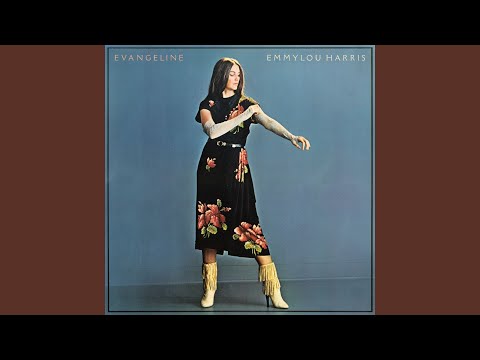
Emmylou Harris Spanish Johnny written by Paul Siebel
Emmylou Harris Hiszpański Johnny napisany przez Paula Siebela
http://www.nashville.net/~kate/
http://www.nashville.net/~kate/
Ricky Skaggs Mandolin
Mandolina Ricky'ego Skaggsa
Rodney Crowell Guitar
Gitara Rodneya Crowella
Emmylou Harris Guitar, Vocals
Emmylou Harris Gitara, wokal
Waylon Jennings Vocals
Wokal Waylona Jenningsa
Mickey Raphael Harmonica
Harmonijka Mickey Raphael
Emory Gordy Bass
Emory Gordy Bas
Frank Reckard Guitar
Gitara Franka Reckarda
John Ware drums
Perkusja Johna Ware’a
Those other years, the dusty years
Te inne lata, lata zakurzone
We drove the big herds through
Przeganialiśmy duże stada
I tried to forget the miles we rode
Próbowałem zapomnieć przebyte kilometry
And Spanish Johnny too
I hiszpański Johnny też
He'd sit beside a water ditch when all this herd was in
Kiedy całe to stado było w środku, siadał obok rowu z wodą
And he'd never harm a child but sing to his mandolin
I nigdy nie skrzywdziłby dziecka, ale śpiewał do swojej mandoliny
The old talk, the old ways, and the dealin' of our game
Stare gadki, stare sposoby i sposób prowadzenia naszej gry
Spanish Johnny never spoke, but sing a song of Spain
Hiszpański Johnny nigdy nie mówił, ale śpiewał piosenkę o Hiszpanii
And his talk with men was vicious talk
A jego rozmowa z mężczyznami była wredną mową
When he was drunk on gin
Kiedy był pijany ginem
Ah, but those were golden things he said to his mandolin
Ach, ale to były złote rzeczy, które powiedział do swojej mandoliny
We had to stand, we tried to judge,
Musieliśmy stać, próbowaliśmy osądzić,
We had to stop him then
Musieliśmy go wtedy zatrzymać
For the hand so gentle to a child had killed so many men
Bo ręka tak delikatna dla dziecka zabiła tak wielu ludzi
He died a hard death long ago before the roads come in
Zmarł ciężką śmiercią dawno temu, zanim powstały drogi
And the night before he swung he sung to his mandolin
A w noc poprzedzającą swing śpiewał przy mandolinie
Well, we carried him out in the mornin' sun
Cóż, wynieśliśmy go w porannym słońcu
A man that done no good
Człowiek, który nie zrobił nic dobrego
And we lowered him down in the cold clay
I opuściliśmy go na zimną glinę
Stuck in a cross of wood
Utkwiony w drewnianym krzyżu
And a letter he wrote to his kinfolk
I list, który napisał do swoich krewnych
To tell them where he'd been
Żeby powiedzieć im, gdzie był
And we shipped it out to Mexico,
I wysłaliśmy to do Meksyku,
Along with his mandolin
Razem ze swoją mandoliną
From Emmylou Harris "Evangeline"
Od Emmylou Harris „Evangeline”
Warner Bros Records
Warner Bros Records
Two Ten Music(BMI)
Dwie dziesiątki muzyki (BMI)
Though other performers sold more records and earned greater fame, few
Chociaż inni wykonawcy sprzedali więcej płyt i zdobyli większą sławę, niewielu
left as profound an impact on contemporary music as Emmylou Harris.
wywarł równie głęboki wpływ na muzykę współczesną, jak Emmylou Harris.
Blessed with a crystalline voice, a remarkable gift for phrasing and a
Obdarzona krystalicznym głosem, niezwykłym darem frazowania i a
restless creative spirit, she travelled a singular artistic path,
niespokojnego ducha twórczego, przebyła osobliwą drogę artystyczną,
proudly carrying the torch of "Cosmic American music" passed down by
dumnie niosąc pochodnię przekazywanej obok „Kosmicznej muzyki amerykańskiej”.
her mentor, Gram Parsons. With the exception of only Neil Young -- not
jej mentorka, Gram Parsons. Z wyjątkiem tylko Neila Younga – nie
surprisingly an occasional collaborator -- no other mainstream star
zaskakująco okazjonalny współpracownik – żadna inna gwiazda głównego nurtu
established a similarly large body of work as consistently
stworzył równie duży dorobek, jak konsekwentnie
iconoclastic, eclectic or daring; even more than three decades into
obrazoburczy, eklektyczny lub odważny; nawet ponad trzydzieści lat temu
her career, Harris' latter-day music remained as heartfelt, visionary
w swojej karierze współczesna muzyka Harrisa pozostała szczera i wizjonerska
and vital as her earliest recordings.
i tak ważna jak jej najwcześniejsze nagrania.
Harris was born on April 2, 1947 to a military family stationed in
Harris urodził się 2 kwietnia 1947 r. w rodzinie wojskowej stacjonującej w
Birmingham, Alabama. After spending much of her childhood in North
Birmingham w Alabamie. Po spędzeniu większości dzieciństwa na Północy
Carolina, she moved to Woodbridge, Virginia while in her teens, and
Carolina, jako nastolatka przeprowadziła się do Woodbridge w Wirginii
graduated high school there as her class valedictorian. After winning
ukończyła tam szkołę średnią jako prymus swojej klasy. Po wygranej
a dramatic scholarship at the University of North Carolina, she began
zaczęła stypendium dramatyczne na Uniwersytecie Karoliny Północnej
to seriously study music, learning to play songs by Bob Dylan and Joan
poważnie studiować muzykę, ucząc się grać piosenki Boba Dylana i Joan
Baez. Soon, Harris was performing in a duo with fellow UNC student
Baez. Wkrótce Harris występował w duecie z innym studentem UNC
Mike Williams, eventually quitting school to move to New York, only to
Mike Williams, ostatecznie rzucił szkołę i przeprowadził się do Nowego Jorku, tylko po to, by
find the city's folk music community dying out in the wake of the
okazuje się, że społeczność muzyki ludowej w mieście wymiera w następstwie
psychedelic era.
epoka psychodeliczna.
Still, Harris remained in New York, travelling the Greenwich Village
Mimo to Harris pozostał w Nowym Jorku, podróżując po Greenwich Village
club circuit before becoming a regular at Gerdes Folk City, where she
klubach, zanim została stałą bywalczynią Gerdes Folk City, gdzie występowała
struck up friendships with fellow folkies Jerry Jeff Walker, David
nawiązał przyjaźń z innymi muzykami: Jerrym Jeffem Walkerem i Davidem
Bromberg and Paul Siebel. After marrying songwriter Tom Slocum in
Bromberga i Paula Siebela. Po ślubie z autorem tekstów Tomem Slocumem
1969, she recorded her debut LP, 1970's Gliding Bird. Shortly after
W 1969 roku nagrała swój debiutancki album Gliding Bird z lat 70. Niedługo potem
the record's release, however, Harris' label declared bankruptcy, and
jednak wydanie płyty ogłosiło upadłość wytwórni Harrisa i
while pregnant with her first child, her marriage began to fall apart.
będąc w ciąży z pierwszym dzieckiem, jej małżeństwo zaczęło się rozpadać.
After moving to Nashville, she and Slocum divorced, leaving Harris to
Po przeprowadzce do Nashville ona i Slocum rozwiedli się, pozostawiając Harrisa
raise daughter Hallie on her own. After several months of struggle and
samotnie wychowuje córkę Hallie. Po kilku miesiącach zmagań i
poverty, she moved back in with her parents, who had since bought a
biedy, wróciła do rodziców, którzy od tego czasu kupili dom
farm outside of Washington, D.C.
farma pod Waszyngtonem
There she returned to performing, starting a trio with local musicians
Tam wróciła do występów, zakładając trio z lokalnymi muzykami
Gerry Mule and Tom Guidera. One evening in 1971, while playing at an
Gerry'ego Mule'a i Toma Guiderę. Pewnego wieczoru w 1971 roku, podczas gry w
area club called Clyde's, the trio performed to a crowd which included
w lokalnym klubie Clyde's trio wystąpiło przed publicznością, która obejmowała m.in
members of the country-rock pioneers the Flying Burrito Brothers. In
członkowie pionierów country-rocka Flying Burrito Brothers. w
the wake of the departure of Gram Parsons, the band's founder, the
po odejściu Grama Parsonsa, założyciela zespołu,
Burritos were then led by ex-Byrd Chris Hillman, who was so impressed
Następnie burritos prowadził były Byrd Chris Hillman, który był pod wielkim wrażeniem
by Harris' talents that he considered inviting her to join the group.
talentami Harrisa, że rozważał zaproszenie jej do przyłączenia się do grupy.
Instead, Hillman himself quit to join Stephen Stills' Manassas, but he
Zamiast tego sam Hillman zrezygnował i dołączył do Manassasa Stephena Stillsa, ale on
recommended her to Parsons, who wanted a female vocalist to flesh out
polecił ją Parsonsowi, który chciał, żeby wokalistka się rozwinęła
the sound of his solo work, a trailblazing fusion of country and rock
jego dźwięk
'n' roll he dubbed "Cosmic American music." Their connection was
instant, and soon Harris was learning about country music and singing
harmony on Parsons' solo debut, 1972's GP. A tour with Parsons'
back-up unit the Fallen Angels followed, and in 1973 they returned to
the studio to cut his landmark LP Grievous Angel.
On September 19, just weeks after the album sessions ended, Parsons'
fondness for drugs and alcohol finally caught up to him, and he was
found dead in a hotel room outside of the Joshua Tree National
Monument in California. At the time, Harris was back in Washington,
collecting her daughter for a planned move to the West Coast. Instead,
she remained in D.C., reuniting with Tom Guidera to form the Angel
Band. The group signed to Reprise and relocated to Los Angeles to
begin work on Harris' solo major label debut, 1975's acclaimed Pieces
of the Sky, an impeccable collection made up largely of diverse covers
ranging in origin from Merle Haggard to the Beatles. Produced by Brian
Ahern, who would go on to helm Harris' next ten records--as well as
becoming her second husband--Pieces of the Sky's second single, a
rendition of the Louvin Brothers' "If I Could Only Win Your Love,"
became her first Top Five hit. "Light of the Stable,' a Christmas
single complete with backing vocals from Dolly Parton, Linda Ronstadt
and Neil Young, soon followed; Harris then repaid the favor by singing
on Ronstadt's "The Sweetest Gift" and Young's "Star of Bethlehem."
For her second LP, 1976's Elite Hotel, Harris established a new
backing unit, the Hot Band, which featured legendary Elvis Presley
sidemen James Burton and Glen D. Hardin as well as a young songwriter
named Rodney Crowell on back-up vocals and rhythm guitar. The
resulting album proved to be a smash, with covers of Buck Owens'
"Together Again" and the Patsy Cline perennial "Sweet Dreams" both
topping the charts. Before beginning sessions for her third effort,
1977's Luxury Liner, Harris guested on Bob Dylan's Desire and appeared
in Martin Scorsese's filmed document of the Band's legendary final
performance, The Last Waltz. Quarter Moon in a Ten Cent Town followed
in 1978, led by the single "Two More Bottles of Wine," her third
Number One. The record was Crowell's last with the Hot Band; one of
the tracks, "Green Rolling Hills," included backing from Ricky Skaggs,
soon to become Crowell's replacement as Harris' vocal partner.
1979's Blue Kentucky Girl was her most country-oriented work to date,
an indication of what was to come a year later with Roses in the Snow,
a full-fledged excursion into acoustic bluegrass. In the summer of
1980, a duet with Roy Orbison, "That Lovin' You Feelin' Again," hit
the Top Ten; a yuletide LP, Light of the Stable: The Christmas Album,
followed at the end of year, at a time during which Harris had quit
touring to focus on raising her second daughter, Meghann. Evangeline,
a patchwork of songs left off of previous albums, appeared in 1981.
Shortly after, Skaggs left the Hot Band to embark on a solo career;
his replacement was Barry Tashian, a singer/songwriter best known for
fronting the 1960s rock band the Remains.
In 1982, drummer John Ware, the final holdover from the first Hot Band
line-up, left the group; at the same time, Harris' marriage to Ahern
was also beginning to disintegrate. After 1981's Cimarron, Harris and
the Hot Band cut a live album, Last Date, named in honor of the
album's chart-topping single "(Lost His Love) On Our Last Date," a
vocal version of the Floyd Cramer instrumental. Quickly, they returned
to the studio to record White Shoes, Harris' final LP with Ahern at
the helm. Her most far-ranging affair yet, it included covers of Donna
Summer's "On the Radio," Johnny Ace's "Pledging My Love," and Sandy
Denny's "Old-Fashioned Waltz."
After leaving Ahern, she and her children moved back to Nashville.
There, Harris joined forces with singer/songwriter Paul Kennerley, on
whose 1980 concept album The Legend of Jesse James she had sung
back-up. Together, they began formulating a record called The Ballad
of Sally Rose, employing the pseudonym Harris often used on the road
to veil what was otherwise a clearly autobiographical portrait of her
own life. Though a commercial failure, the 1985 record proved pivotal
in Harris' continued evolution as an artist and a risk-taker; it also
marked another chapter in her personal life when she and Kennerley wed
shortly after concluding their tour. Angel Band, a subtle, acoustic
collection of traditional country spirituals, followed, although the
record was not issued until 1987, after the release of its immediate
follow-up, Thirteen.
Harris, Dolly Parton and Linda Ronstadt had first toyed with the idea
of recording an album together as far back as 1977, only to watch the
project falter in light of touring commitments and other red tape.
Finally, in 1987, they issued Trio, a collection which proved to be
Harris' best-selling album to date, generating the hits "To Know Him
Is to Love Him" (a cover of the Phil Spector classic), "Telling Me
Lies" and "Those Memories of You." The record's success spurred the
1990 release of Duets, a compilation of her earlier hits in
conjunction with George Jones, Willie Nelson, Gram Parsons and others.
Fronting a new band, the Nash Ramblers, in 1992 she issued At the
Ryman, a live set recorded at Nashville's legendary Ryman Auditorium,
the former home of the Grand Ole Opry. At the time of the record's
release, Harris was also serving a term as President of the Country
Music Foundation.
In 1993, she ended her long association with Warner Bros./Reprise to
move to Asylum Records, where she released Cowgirl's Prayer shortly
after her separation from Paul Kennerley. Two years later, at a stage
in her career at which most performers retreat to the safety of
rehashing their greatest hits again and again, Harris issued Wrecking
Ball, perhaps her most adventuresome record to date. Produced by
Daniel Lanois, the New Orleans-based artist best known for his
atmospheric work with U2, Peter Gabriel and Bob Dylan, Wrecking Ball
was a hypnotic, staggeringly beautiful work comprised of songs ranging
from the Neil Young-penned title track (which featured its writer on
backing vocals) to Jimi Hendrix's "May This Be Love" and the talented
newcomer Gillian Welch's "Orphan Girl." A three-disc retrospective of
her years with Warner Bros., Portraits, appeared in 1996, and in 1998
Harris resurfaced with Spyboy. -- Jason Ankeny, All-Music Guide
All lyrics are property and copyright of their respective owners. Translation provided for educational purposes only.