
A Month of Sundays Songtekst Nederlandse Vertaling
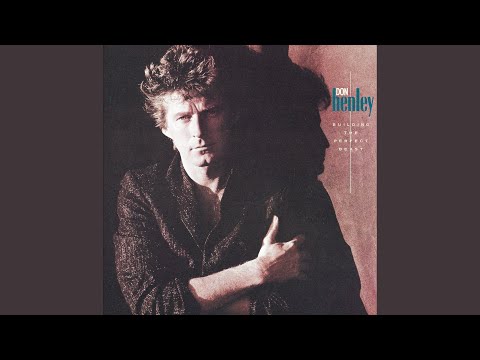
Don Henley - Een maand van zondagen
by Don Henley
Don Henley - A Month of Sundays songtekst en Nederlandse vertaling. Lees de originele lyrics met Nederlandse vertaling, betekenis van het nummer en meer talen.
Nederlandse vertaling - originele songtekst bekijken
This one suddenly came to me while playing some Dire Straits...
Deze kwam plotseling naar me toe tijdens het spelen van Dire Straits...
The original is on piano, but this is nice to play on an acoustic as a
Het origineel is op piano, maar dit is ook leuk om akoestisch te spelen
solo folk song (the last verse can be played with some distortion to go
solo volksliedje (het laatste couplet kan gespeeld worden met enige vervorming).
with the tone of the lyrics). I've tabbed this out in the key of G because
met de toon van de tekst). Ik heb dit in de toonsoort G weergegeven, omdat
I naturally sing low and it's how I remember the song, but feel free to
Ik zing van nature laag en zo herinner ik me het lied, maar voel je vrij om dat te doen
transpose it to A if you can sing like Don. If so, then play as follows:
transponeer het naar A als je kunt zingen zoals Don. Zo ja, speel dan als volgt:
G becomes A
G wordt A
C becomes D
C wordt D
D becomes E
D wordt E
Em becomes F#m
Em wordt F#m
Bm becomes C#m
Bm wordt C#m
That's it! Here's the song. Apparently, this was inspired by Don's
Dat is het! Hier is het liedje. Blijkbaar is dit geïnspireerd door Don's
grandfather and his experiences farming. Think of it as a soft-rock
grootvader en zijn ervaringen in de landbouw. Zie het als een zachte steen
counterpoint to "Foreclosure of a Dream" :-)
contrapunt van "Afscherming van een droom" :-)
G (can play C here, but not necessary)
G (kan hier C spelen, maar niet noodzakelijk)
I used to work for Harvester,
Ik werkte vroeger voor Harvester,
I used to use my hands,
Ik gebruikte mijn handen,
I used to build the tractors and the combines,
Ik bouwde de tractoren en de maaidorsers,
that plowed and harvested this great land...
die dit grote land heeft geploegd en geoogst...
Now I see my handiwork on the block
Nu zie ik mijn handwerk op het blok
Everywhere I turn,
Overal waar ik draai,
And I see the clouds cross the weathered faces,
En ik zie de wolken de verweerde gezichten kruisen,
And I watched the harvest burn...
En ik zag de oogst branden...
That's essentially it, as all the verses can be played with the same basic
Dat is het in wezen, aangezien alle verzen met dezelfde basis kunnen worden gespeeld
progression
progressie
(G / C / D followed by Em / C / Em / Bm / Em / C / Bm and end on D)
(G/C/D gevolgd door Em/C/Em/Bm/Em/C/Bm en eindigen op D)
At the end (after "I don't see next year's crop"), return to the second
Aan het einde (na "Ik zie de oogst van volgend jaar niet") keer je terug naar de tweede
progression:
progressie:
And I sit here in my back porch in the twilight,
En ik zit hier in mijn achterveranda in de schemering,
And I hear the crickets hum...
En ik hoor de krekels zoemen...
Sit and watch the lightning in the distance,
Ga zitten en kijk naar de bliksem in de verte,
but the showers never come...
maar de buien komen nooit...
I sit here and listen to the wind blow,
Ik zit hier en luister naar de wind,
I sit here and rub my hands,
Ik zit hier en wrijf in mijn handen,
I sit here and listen to the clock strike,
Ik zit hier en luister naar de klokslag,
Bm C (end on C)
Bm C (eindig op C)
And wonder when I'll see my com-panion again..
En vraag me af wanneer ik mijn metgezel weer zal zien..
That's about it. Economically and politically a bit dated, I guess, but
Dat is het zo'n beetje. Economisch en politiek gezien een beetje gedateerd, denk ik, maar
still packs a punch musically.
muzikaal gezien is het nog steeds een schot in de roos.
All lyrics are property and copyright of their respective owners. Translation provided for educational purposes only.