
Papa E Paroles Traduction Française
Hapa - Classe E
by Hapa
Hapa - Papa E paroles et traduction française. Lis les lyrics originales avec la traduction en français, le sens de la chanson et d’autres langues.
Traduction française - voir les paroles originales
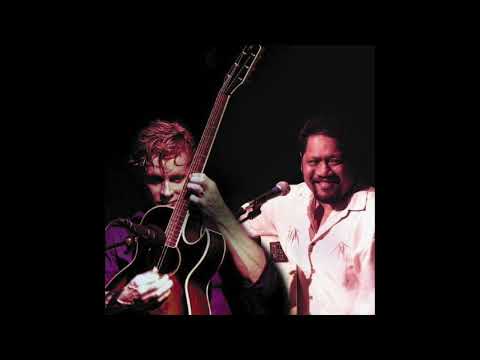
Papa E - HAPA
Carte E - ERREUR
This is a song originally played by the polynesian band Te Vaka, but I'm using the HAPA
C'est une chanson jouée à l'origine par le groupe polynésien Te Vaka, mais j'utilise le HAPA
of it. The chord structure is pretty simple and is the same throughout the whole song. I
de celui-ci. La structure des accords est assez simple et est la même tout au long de la chanson. Je
a little bit of info on how to pronounce some of the words at the bottom as well as an
un peu d'informations sur la façon de prononcer certains mots en bas ainsi qu'un
of what the song means because retaining the meaning of the song from the
de ce que la chanson signifie parce que conserver le sens de la chanson du
perspective, I believe, is important. Anyways, enjoy and hit me up at myspace.com/colinkiley
la perspective, je crois, est importante. Quoi qu'il en soit, profitez-en et contactez-moi sur myspace.com/colinkiley
Hihiki mai i faifaiga o te fenua
Prends-le du pays
E he puli au ite olaga masani
j'ai une vie normale
He mafai fakapuli ite loto
Il est possible de contrôler le cœur
Ite loto o papa e
Connais le cœur de ton père
Aue ite nuku o papa e
Oh, le geste de mon père
Aue aue papa e / Aue papa e
Oh, oh, père / Oh, père
Aue aue papa e / I te nuku o papa e
Oh, oh père / Je te nuku ô père
Oku mokomokoga ke toe fanatu
Mes lézards sont toujours en vie
I mea na e masani ai
C'était une habitude
Ko kata lava e mua mai
C'est toujours drôle
Te kata o papa e
Le rire de papa
Aue i te nuku o papa e
Oh, quand ton père a déménagé
A song for my father
Une chanson pour mon père
In search of a better way of life, Ope's father left the small island of Fakaofo in Tokelau.
À la recherche d'un meilleur mode de vie, le père d'Ope a quitté la petite île de Fakaofo aux Tokélaou.
This song is about the feelings, emotions and sadness he experienced as he watched the
Cette chanson parle des sentiments, des émotions et de la tristesse qu'il a ressentis en regardant le
palms and shoreline disappear as he sailed away from Tokelau for the first time.
les palmiers et le rivage disparaissent alors qu'il s'éloigne des Tokélaou pour la première fois.
The Language
La langue
All the songs on the first album, with the exception of the first and third verse of
Toutes les chansons du premier album, à l'exception du premier et du troisième couplet de
Mai', and all the songs on the second album are sung in the language of Tokelau.
Mai', et toutes les chansons du deuxième album sont chantées dans la langue des Tokélaou.
There are two dialects in Polynesia, an old one using 'h' and 'wh', and a later one
Il existe deux dialectes en Polynésie, un ancien utilisant le « h » et le « wh », et un plus récent.
's' and 'f'. Both dialects were brought to Tokelau but the new dialect never took hold and
's' et 'f'. Les deux dialectes ont été introduits aux Tokélaou mais le nouveau dialecte ne s'est jamais imposé.
islands retained the old one.
les îles ont conservé l'ancienne.
This has a rounded and more rhythmic sound making the language of Tokelau very musical.
Cela a un son rond et plus rythmé qui rend la langue des Tokélaou très musicale.
How this affects the language is in the pronunciation of 's' and 'f' which are
La manière dont cela affecte la langue réside dans la prononciation du « s » et du « f » qui sont
'h' and 'wh' (as in 'where').
'h' et 'wh' (comme dans 'où').
Examples of this are 'Siva' which is pronounced 'Hiva', and 'fenua' which is pronounced 'whenua'.
Des exemples en sont « Siva » qui se prononce « Hiva » et « fenua » qui se prononce « whenua ».
All lyrics are property and copyright of their respective owners. Translation provided for educational purposes only.